


Growing Up in Rural 1970s Scotland

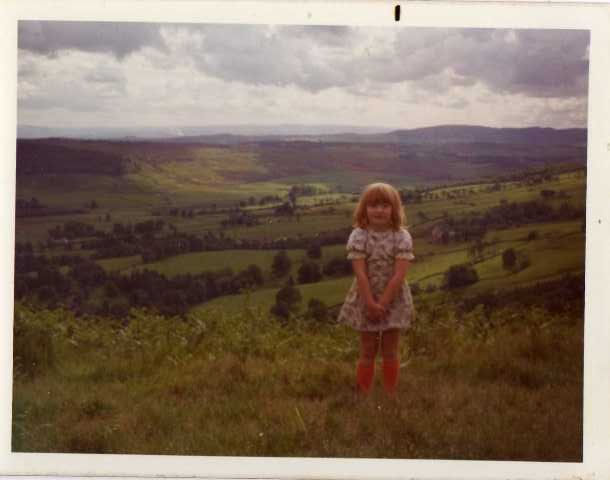
Barefoot and Free
Ah, growing up in Scotland. If you weren’t dodging midges in the summer, you were dodging snowballs in the winter — and if you weren’t doing that, you were probably picking potatoes in a gale, wondering how your seven year old life had come to this.
Let’s be honest: Scottish childhoods, especially back in the 1970s and 80s, were… different. Nostalgic. Slightly terrifying. And always, always full of mischief.
In the 1970s, especially in places like the Scottish Highlands, life moved at a slower pace. Villages were small, neighbours knew one another, and children roamed far beyond the front gate without anyone worrying too much about where they’d gone — as long as they were home by tea time.
Long Walks and Longer Summers
School often meant a walk down a single-track road or a bus that collected children from scattered crofts and farmhouses. Many primary schools had just one or two classrooms, with different ages learning side by side. Winters were dark and biting cold; summers felt endless.
And those summers — they seemed to last forever.
Days were spent building dens in patches of woodland, damming burns with stones and sticks, climbing trees until your hands were sticky with sap. If you were near the coast, you might spend hours exploring rock pools. If you were inland, fields and hills became battlefields, racetracks, or secret kingdoms.
There were no phones in our pockets. If you wanted a friend, you knocked on their door.
Helping Hands
Childhood wasn’t entirely carefree. Many children helped at home — feeding hens, gathering eggs, bringing in sheep during lambing season. On farms, you were part of the rhythm of the year: haymaking in summer, mucking out byre stalls in winter.
It wasn’t unusual to be sent to the village shop alone with a few coins clutched tightly in your hand. That little shop — perhaps doubling as the post office — stocked everything from boiled sweets in jars to newspapers and tins of soup. It was the heart of the community.
Three Channels and a Comic
Evenings were quieter. There were only three television channels before the early 1980s, and not every household had colour TV. Children gathered around programmes like Blue Peter or hid behind the sofa during Doctor Who. When Grange Hill began, it felt daring and modern.
If the TV signal was poor — which it often was — there were comics like The Beano, library books, or simply the stories your parents told about their own childhoods.
And on clear nights, when the sky stretched wide and black above the fields, you didn’t need much entertainment at all.
Community at the Centre
Village halls hosted dances and ceilidhs where children slid across polished floors while adults laughed and played fiddles late into the evening. Local agricultural shows were highlights of the year — tug-of-war competitions, livestock judging, and the smell of fresh baking drifting from tents.
Church, Scouts, Guides, and Boys’ Brigade shaped many weekends. The community felt close-knit — sometimes stifling, often comforting.
You might have had to travel to a bigger town like Inverness for a cinema trip or new school shoes, but that journey itself felt like an adventure.
Tattie Picking : The True Test of Character
Imagine a young Scottish child, sunburnt (maybe) or freezing (definitely), bent double in a muddy field, pulling potatoes from the earth (tatty howkin'). Sounds idyllic, right? Wrong. It’s basically a rite of passage — the unofficial Highland Games of agriculture.
Your reward? Well, if you were lucky, a solitary shiny coin. If you were unlucky, the rain. Sometimes both. And if your sibling was nearby, they’d be throwing a few over your shoulder just to see you slip in the mud. It wasn’t just work; it was character-building (apparently) — and the first lesson in the harsh reality that life doesn’t always hand you crisps.
Nostalgia With a Side of Realism
Looking back, growing up in Scotland was rough, hilarious, and magical all at once. We endured mud, snow, and mobile dentists.
And maybe that’s the real charm. It wasn’t about comfort; it was about experience. The smell of mud on a wet morning, the taste of fresh snow on your tongue, the thrill of stealing one more apple before the farmer noticed — these are memories that stick.
So, if you’re from Scotland and you survived all that, congratulations. You’re basically a hardened adventurer. And if you’re not? Well, you probably missed out on the sticky apple phase of life, and honestly… your childhood sounds a little boring.



Comments