


Exploring the NC500

A Journey Through Scotland's Most Scenic Route
The North Coast 500, or NC500, is often called Scotland’s answer to Route 66. This 516-mile loop around the northern tip of Scotland offers some of the most breath taking views you can find in the UK. If you love road trips filled with rugged coastlines, ancient castles, and quiet villages, the NC500 is a route you should experience at least once. This post will guide you through what makes the NC500 special and how to make the most of your journey.

What Makes the NC500 Unique
The NC500 is not just a drive; it’s a full experience of Scotland’s natural beauty and history. The route starts and ends in Inverness, taking you through the Highlands’ most remote and stunning areas. You’ll pass through places like Applecross, Durness, and John o’ Groats, each offering unique landscapes and cultural highlights.
The road itself varies from smooth highways to narrow single-track roads with passing places. This mix adds to the adventure but also means you should plan your trip carefully, especially if you’re not used to driving on such roads.
Highlights Along the Route
Coastal Views and Beaches
The NC500 hugs the coastline for much of its length, giving you endless views of the sea. Some beaches along the way are surprisingly empty, perfect for a peaceful break or a picnic. For example, Achmelvich Beach near Lochinver is known for its white sand and turquoise water, a rare sight in Scotland.
Castles and Historic Sites
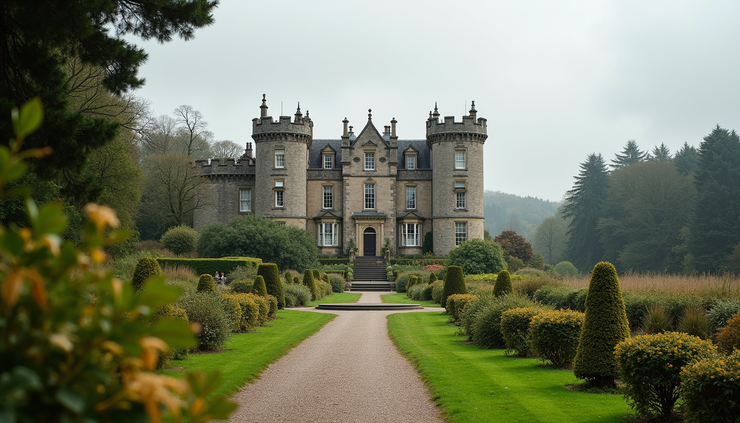
History lovers will find plenty to explore. Dunrobin Castle, with its fairy-tale turrets, is a must-see. You can tour the castle and its gardens or watch the falconry displays. Another highlight is the ancient Clachtoll Broch, a well-preserved Iron Age structure near Lochinver.
Wildlife Watching
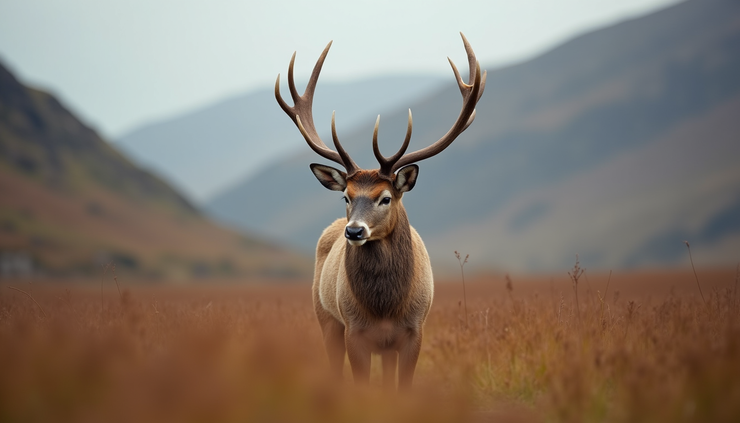
The NC500 is a great place to spot wildlife. Keep an eye out for red deer, golden eagles, and seals along the coast. Birdwatchers will enjoy the variety of seabirds nesting on cliffs and islands.
Tips for Planning Your NC500 Trip
Best Time to Visit
The best months to drive the NC500 are from May to September. During this period, the weather is milder, and daylight lasts longer, giving you more time to explore. Keep in mind that July and August are the busiest months, so book accommodations early.
Where to Stay
Options range from campsites and hostels to luxury hotels and cozy B&Bs. If you want to experience local hospitality, try staying in small villages like Ullapool or Tongue. Booking ahead is essential during peak season.
What to Pack
Comfortable walking shoes for exploring beaches and trails
Waterproof clothing, as Scottish weather can change quickly
A camera or smartphone for capturing the stunning views
Midgie repellant!
Snacks and water, especially if you plan to drive long stretches without stops
Driving Tips
Drive on the left side of the road
Be prepared for narrow single-track roads with passing places
Take your time and enjoy the journey rather than rushing
Watch out for wildlife crossing the road, especially at dawn and dusk
Activities to Enjoy on the NC500
Hiking and Walking
There are many trails along the route, from easy coastal walks to challenging mountain hikes. The Quiraing on the Isle of Skye, although slightly off the NC500, is worth a detour for its dramatic landscapes.
Local Food and Drink
Taste fresh seafood in coastal villages or try traditional Scottish dishes like haggis and Cullen skink. Many pubs and restaurants along the route use local ingredients, giving you a true taste of the Highlands.
Photography
The NC500 offers endless opportunities for photography. Sunrise over the beaches, sunsets behind castles, and starry nights away from city lights make for unforgettable shots.



this was a really enjoyable read, I like how you captured the feeling of exploring the NC500 because it’s not just about ticking off places but actually experiencing the journey itself, especially with how the route takes you through such a mix of landscapes from coastal cliffs to quiet villages and open Highland roads. it’s interesting how the North Coast 500 has become known as one of the best road trips in the UK, covering around 500 miles and looping from Inverness through some of the most scenic parts of northern Scotland , and your post really reflects that sense of freedom and discovery people talk about when they do it. it also shows why taking your time on the…